Persephone and Joan: In Oil and Light
Paintings by Julie Gearan and Photographs by Tina tryforos
Sea Legs, oil on linen, 60"x 44"
Wheat, cyanotype on linen, 11"x14", 2023
Persephone Splitting Time (Portrait), Unstitched quilt of cyanotypes printed on fabric, variable size - shown here 10’x6.5’, 2025
Homecoming, oil on linen, 36"x18"
Fleeing Maiden, Cyanotype on vintage ledger paper, 17"x22"
NOR IS THE QUEST JUST A SCHOLARLY GAME; IT’S AN ATTEMPT TO PROVE, AGAINST ALL ODDS, THAT OUR WILD, WARRING SPECIES SHARES SOMETHING IRREDUCIBLE AT ITS CORE. – MANVIR SINGH
In Bocca alla Balena, oil on panel, 30"x24"
Are you a Whale or a Pomegranate?
In Persephone and Joan, works by photographer Tina Tryforos and painter Julie Gearan ask, How do we understand our lives through the stories we inherit, and what happens when we begin to rewrite them?
Both artists have spent the last several years circling two enduring narratives: the Greek myth of Persephone and the biblical story of Jonah and the Whale. These ancient tales, long embedded in the Western imagination, emerge as personal metaphors for the cycles that shape women’s lives: caregiving and autonomy, rupture and repair, aging and renewal. They also reflect broader cultural considerations of how myths shape identity, how narratives reinforce or restrict agency, and what it means to revisit stories historically authored and illustrated by men. Rather than reject these canons, Gearan and Tryforos complicate them.
The opposition and interaction between the artists’ two mediums consider how and when photography holds a power that paint cannot and vice versa. How does each employ light and darkness, and what role does color play in oil, pigment, chemistry and light? What can be manipulated and controlled, and what should be left to the effects of time?
Together, Tryforos and Gearan reframe myth as living material. They approach their stories as evolving structures, open to reinterpretation, in conversation with the urgencies and anxieties of the present moment — from ecological fragility to psychological thresholds and the search for equilibrium in a fractured world. In these works, myths are not fixed but porous, plumbing the emotional and psychological terrain of descent, surrender, resilience, and return.
Persephone’s Signature, toned phyto-lumen developed with pomegranate developer 9"x7"
Sorted, Phytograms of wheat and a braid, developed in plant-based developer, 20"x14"
Back to See, oil on canvas, 72"x48"
Above and Below, unstitched cyanotypes printed on fabric, variable size - shown here 68"x35"
From the Underworld, 11"x14", 2022
Entangled Tondo, oil on canvas, 12"x12"
The Great Escape, oil on canvas, 72"x48"
In, oil on panel ,14"x10"
Out, oil on panel, 14"x10"
Myths are public dreams, dreams are private myths – Carl Jung
Eleusinian Mysteries, cyano-lumen, 8"x10"
Sea Legs Tondo, oil on canvas,16"x16"
Crying Crocus, photogram on film 5"x7"
She Emerges Victorious, 30"X44", woodcut
Persephone (One Tree), 18 photographs printed on Hahnemuhle German etching paper 34"x67" , 2018.
Il Mondo Nuovo, oil on canvas, 108"x48"
Though in many of its aspects this visible world seems formed in love, the invisible spheres were formed in fright. –Herman Melville
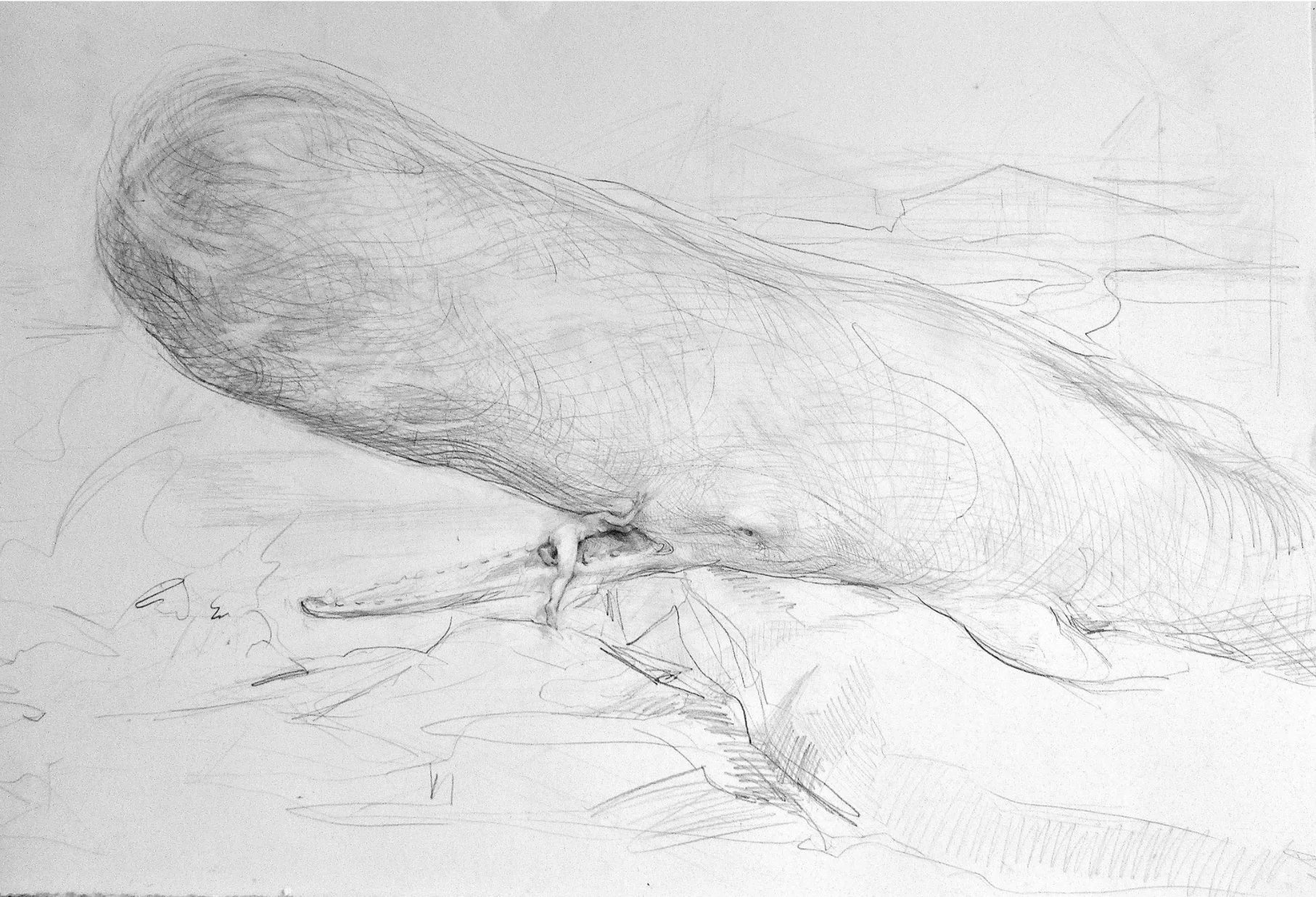
Retreat, 30"x44", graphite on Stonehenge
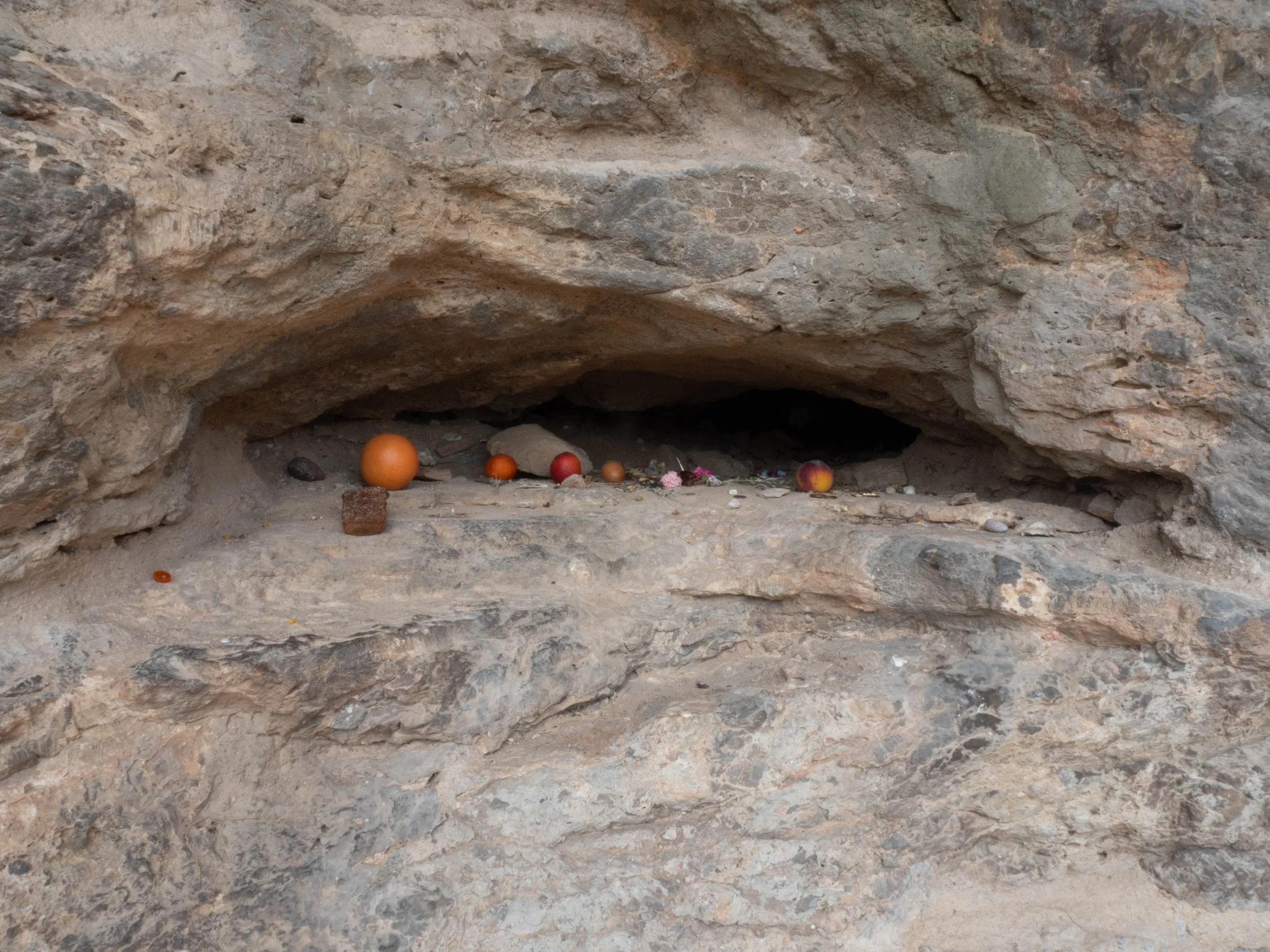
The Earth Opened - There Were Offerings, Eleusis/Elefsina, 30"x22.5"